


 |
Core Technologies: From Control Systems to Smart Sensors
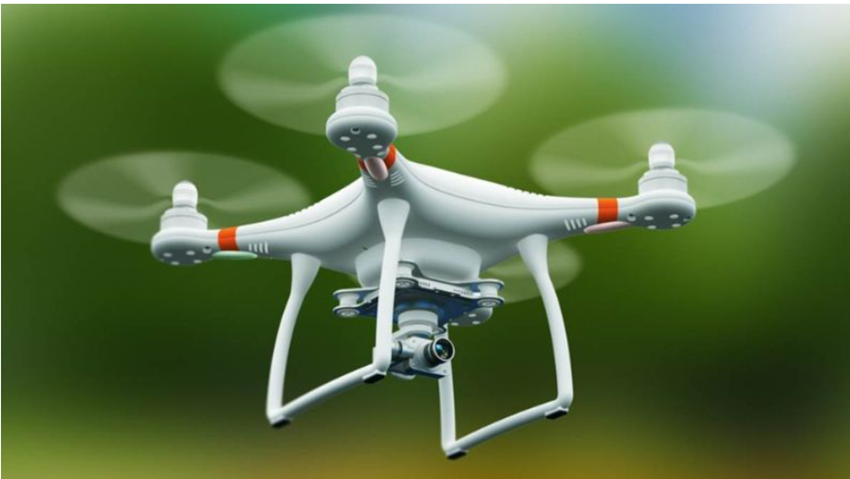
Modern drones integrate a wide range of advanced technologies, forming flexible and semi-autonomous flight systems. Their automatic control systems, powered by artificial intelligence (AI) and machine learning algorithms, enable drones to detect obstacles, plan optimal flight paths, and adapt to constantly changing environments with minimal human intervention.
High-performance lithium-polymer batteries allow drones to fly longer and carry heavier payloads. Meanwhile, ongoing research into hydrogen fuel cells and solar-powered systems is opening up new possibilities for extended flight duration and reduced environmental impact.
In terms of sensing capabilities, drones are equipped with a variety of sensors, including high-resolution cameras, LiDAR systems for creating 3D maps, infrared, multispectral and hyperspectral sensors, as well as radar and ultrasonic detectors. This combination enables drones to collect highly accurate data under diverse environmental conditions.
Multi-sector Applications: From Agriculture to Logistics
 |
Transforming Industries: From Smart Agriculture to Logistics
In smart agriculture, drones are revolutionizing farming processes through their ability to monitor crop health, detect early signs of disease, apply pesticides and fertilizers with precision, map crop growth, and optimize water usage. These applications not only enhance productivity but also promote sustainable and resource-efficient agriculture.
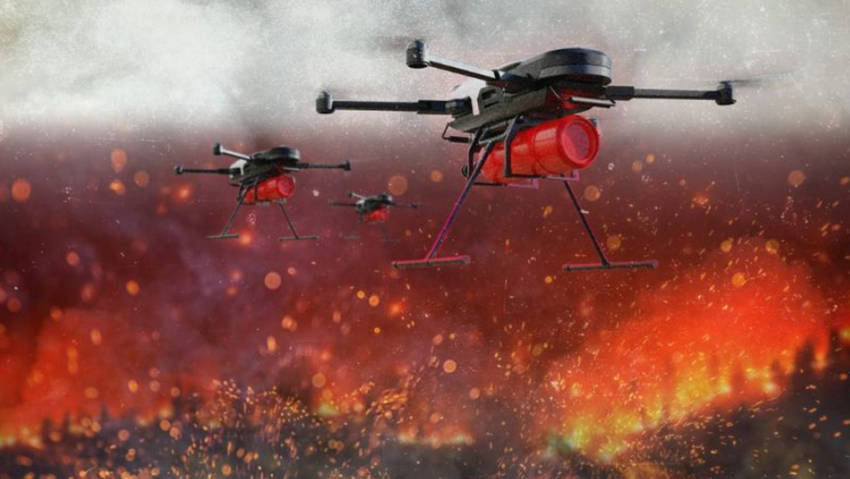
In disaster management, drones play a critical role in damage assessment, search and rescue operations, and the delivery of medical supplies to isolated areas. They can also establish temporary communication networks in regions where connectivity has been disrupted, ensuring timely coordination during emergencies.
The construction industry utilizes drones for topographic surveys, site mapping, progress monitoring, structural inspections, and the creation of 3D urban planning models. These capabilities significantly reduce project time and costs, while increasing accuracy and safety.
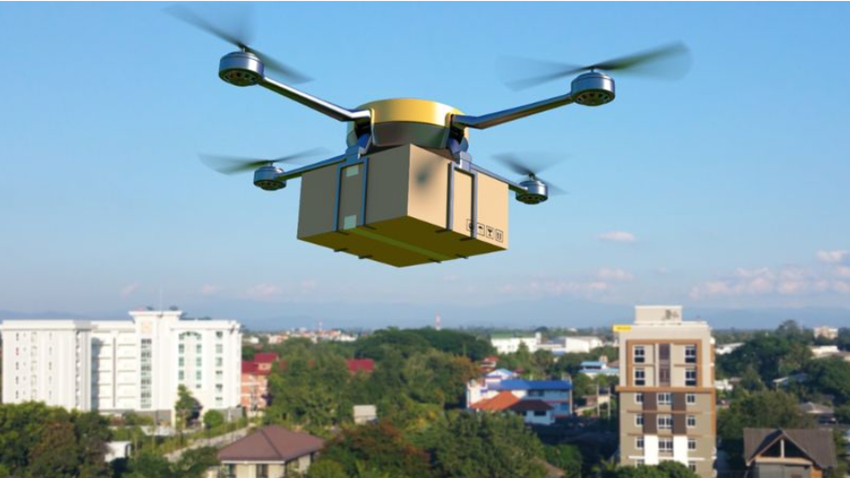
In delivery and logistics, numerous enterprises are adopting drones to deliver goods to remote areas, automate warehouse inventory checks, and transport urgent supplies such as blood and medicine. Drones also assist in route monitoring and optimization, helping to streamline logistics operations and improve efficiency across the supply chain.
 |
Challenges to Overcome
The rapid development of drones also brings numerous challenges. From a legal and safety perspective, many countries have introduced strict regulations, including mandatory registration, flight licensing, altitude and area restrictions, as well as operator training requirements. At the same time, collision avoidance technology, airspace control systems, and early warning mechanisms are increasingly being standardized to ensure safe drone operation.
Security and privacy issues are major concerns, especially as drones have the ability to collect and transmit sensitive data. Solutions such as encrypted communication, anti-intrusion systems, and data collection regulations are being developed and implemented to safeguard the interests of both individuals and organizations.
Future Trends: Intelligent and Fully Connected Drones
Next-generation drones will be more deeply integrated with artificial intelligence (AI), enabling them to make autonomous decisions, operate in coordinated formations (swarm intelligence), adapt to complex environments, and learn from real-world data to enhance operational performance.
The integration of drones, 5G networks, and the Internet of Things (IoT) will unlock new possibilities — from real-time, low-latency control to large-scale data transmission and seamless connectivity with other automated systems.
Drones are now far more than just flying devices — they have become core tools in the digital transformation of many industries. With continuous advancements in AI, sensor technologies, and energy systems, drones promise to expand their capabilities even further, delivering profound impacts across management, production, and daily life.
However, for this technology to realize its full potential, it is essential to establish a robust legal and ethical framework that balances technological innovation with the protection of social interests.

' %2F><%2Fsvg>)