


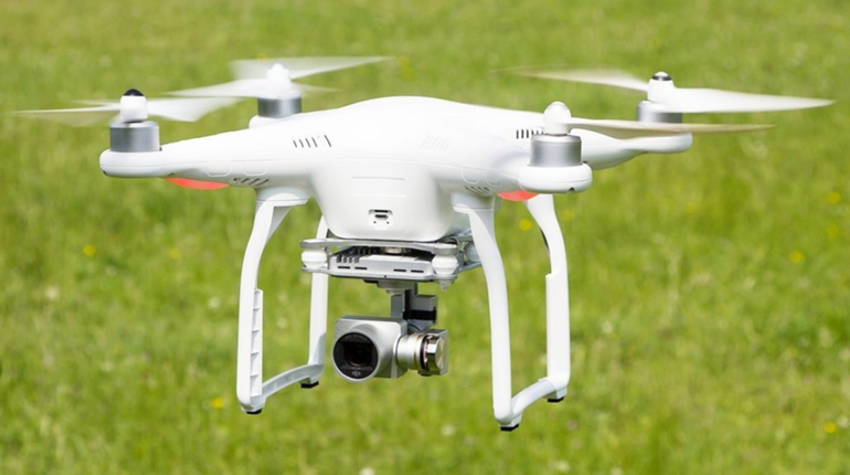
In the digital era, unmanned aerial vehicles (UAVs), commonly known as drones, are becoming a symbol of technological advancement in many areas of life. Recognizing the vast potential of this technology, the Institute of Digital Transformation Research and Application (IDT Institute) established the Drone Research Center to research, develop, and implement drone solutions that support the digital transformation process in multiple industries in Vietnam.
 |
Key Technologies at the Center
Autonomous Control Systems and Artificial Intelligence
The Center focuses on integrating AI algorithms, machine learning, and computer vision into drones to:
- Intelligently detect and avoid obstacles.
- Plan optimal flight paths.
- Adapt to changing environmental conditions in real time.
Advanced Energy Sources
In addition to high-performance lithium-polymer batteries, the Center also researches alternative energy solutions such as:
- Hydrogen fuel cells.
- Integrated solar panels.
These technologies help improve flight duration and payload capacity of drones.
Sensors and Data Recording Systems
The drone systems are equipped with advanced sensors, including:
- High-resolution stabilized cameras.
- LiDAR sensors for 3D mapping.
- Infrared, multispectral, and hyperspectral sensors.
- Radar and ultrasonic sensors for navigation and surveying.
Application Ecosystem
Smart Agriculture
In agriculture, drones create value by:
- Monitoring crop growth and detecting diseases early.
- Precision spraying of pesticides and fertilizers.
- Mapping soil and analyzing crop health using multispectral cameras.
- Optimizing irrigation and land use.
Disaster Management and Rescue
Drones play an effective role in emergency situations:
- Rapid damage assessment after natural disasters.
- Search and rescue operations in hard-to-reach areas.
- Transporting medical supplies to isolated regions.
- Establishing temporary communication networks.
Construction and Infrastructure
Drones are applied in construction and infrastructure management by:
- Surveying terrain and mapping construction sites.
- Monitoring construction progress.
- Inspecting structures such as bridges, highways, and high-rise buildings.
- Supporting 3D modeling for urban planning.
Delivery and Logistics
Drone solutions in logistics include:
- Delivering goods to remote or hard-to-reach areas.
- Transporting urgent supplies such as blood and medicine.
- Automating warehouse inventory and management.
- Supporting traffic monitoring and route optimization.
Research and Development Directions
Autonomous AI and Swarm Drone Systems
The Center is developing next-generation drones with the ability to:
- Make autonomous decisions based on advanced AI.
- Operate collaboratively in groups (swarm intelligence).
- Adapt independently to complex and changing environments.
- Learn from operational experience to improve performance.
5G Connectivity and IoT Integration
Modern connectivity infrastructure expands drone capabilities through:
- Ultra-low latency remote control.
- Real-time transmission of large data volumes.
- Integration with smart devices within IoT networks.
- Collaboration with other autonomous vehicles in the same ecosystem.
Commitment and Role of the Center
The Drone Research Center under the IDT Institute aims to:
- Train skilled technicians and experts with in-depth knowledge.
- Contribute to the development of technical standards and drone management policies in Vietnam.
- Expand cooperation with research institutions, universities, and enterprises domestically and internationally.
With a focus on practical research and application, the Drone Research Center plays a vital role in advancing technology and enhancing digital transformation efficiency across multiple fields, thereby creating sustainable value for the community and the economy.

' %2F><%2Fsvg>)